
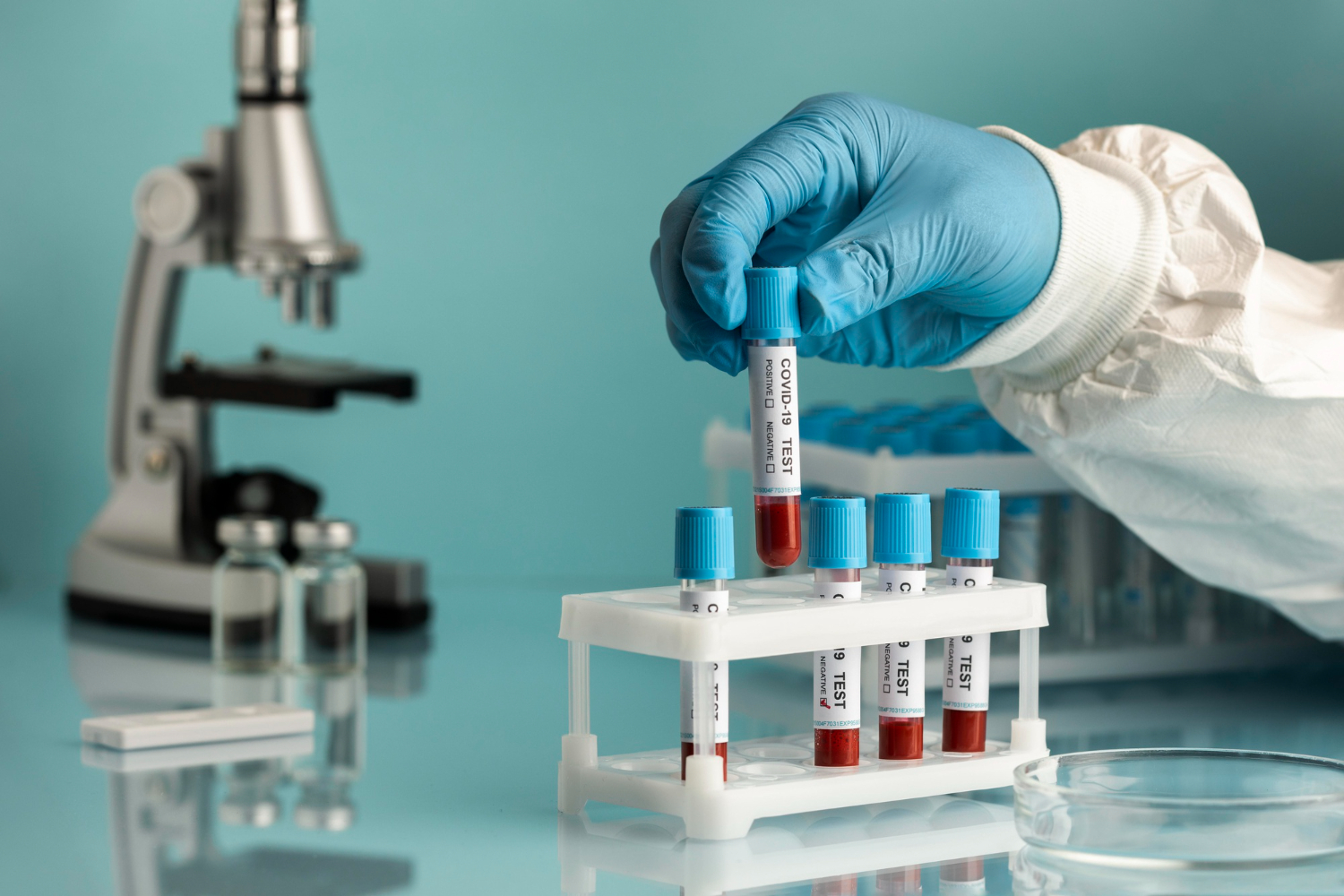
Laboratory services play an essential role in identifying medical conditions, evaluating overall health and supporting appropriate treatment decisions. Laboratory services focus on providing diagnostic testing to assist physicians in assessing various health concerns and monitoring patients’ medical conditions. Laboratory investigations offer valuable clinical information that helps identify underlying health problems, evaluate disease progression and assess responses to treatment.
Accurate laboratory testing is an important part of preventive healthcare, routine medical check-ups and the management of acute and chronic illnesses. Whether patients require investigations for unexplained symptoms, regular health assessments or ongoing medical monitoring, diagnostic laboratory services support informed clinical decision-making.
Laboratory investigations may be recommended based on individual symptoms, medical history and clinical requirements. Common categories of diagnostic testing include:
Laboratory results provide important information that helps healthcare professionals understand a patient’s medical condition. These findings are considered alongside symptoms, physical examination results and medical history to support accurate diagnosis and appropriate treatment planning.
For patients with chronic conditions such as diabetes, hypertension and metabolic disorders, periodic laboratory investigations may help monitor health parameters and assess treatment progress.
Regular laboratory testing can help identify changes in health conditions and support timely medical intervention. Follow-up investigations may be recommended to evaluate treatment effectiveness, monitor chronic diseases and identify potential complications. Patients are also provided with guidance regarding test preparation and any specific instructions required before investigations.
Laboratory services form an important part of comprehensive medical care. By supporting clinical consultations, disease evaluation, preventive screening and ongoing health monitoring, diagnostic investigations contribute to informed healthcare decisions.
The focus is on supporting patients through accessible diagnostic services that assist in identifying health concerns, monitoring medical conditions and promoting better health outcomes.