
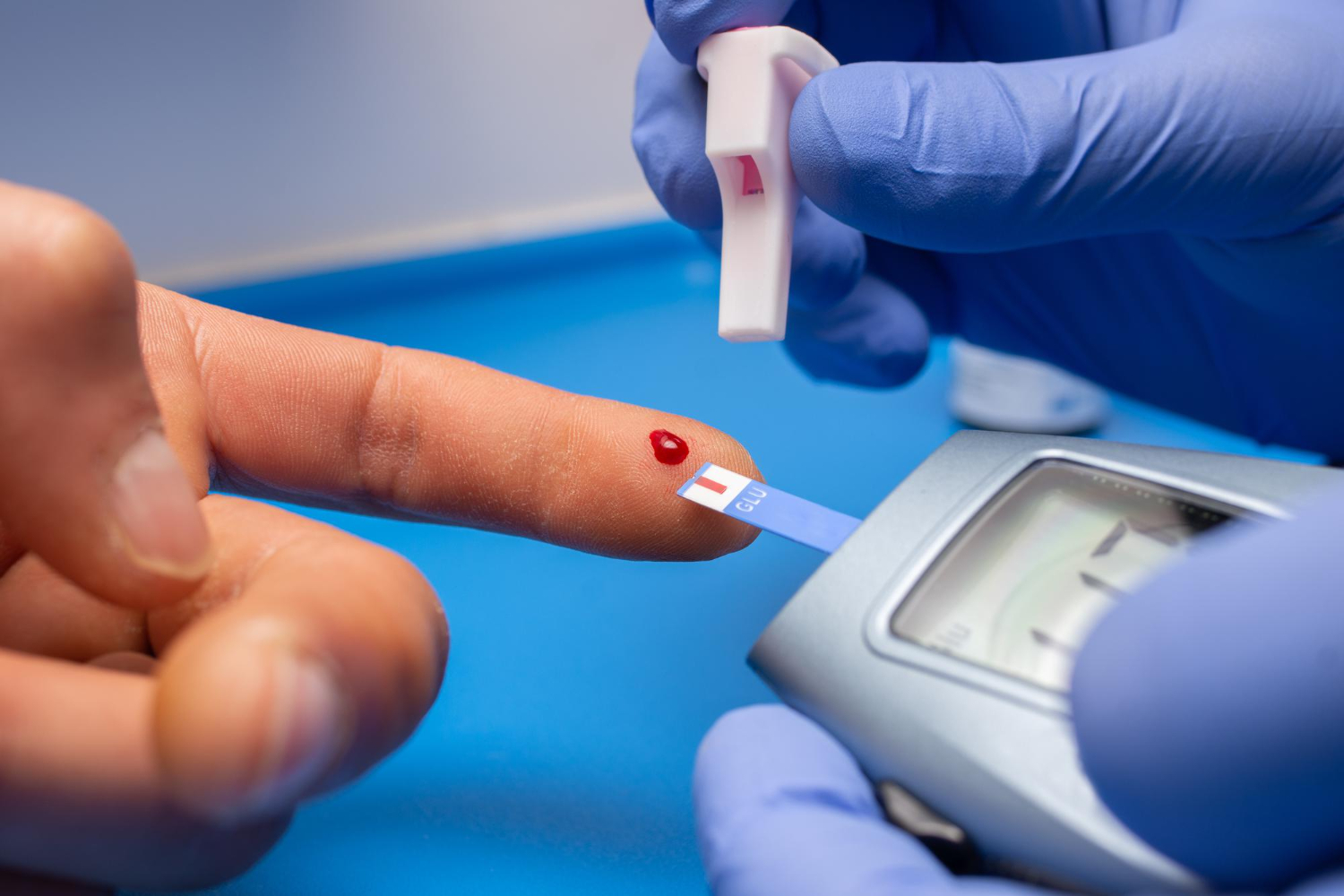
Diabetes is a chronic metabolic condition that affects how the body regulates blood glucose levels. Proper diabetes management is essential to maintain healthy blood sugar levels, reduce the risk of complications and support long-term well-being. Diabetes management services focus on medical evaluation, blood glucose monitoring, personalised treatment planning and lifestyle modification guidance.
Diabetes care involves more than controlling blood sugar levels. It requires understanding individual health conditions, identifying associated risk factors and monitoring overall metabolic health. Patients experiencing increased thirst, frequent urination, unexplained weight changes, fatigue or other symptoms associated with diabetes can seek medical evaluation and appropriate guidance. Regular consultations also help individuals with an existing diabetes diagnosis maintain better control of their condition.
Diabetes management involves evaluating and addressing different forms of blood sugar disorders, including:
Regular monitoring plays an important role in understanding how well diabetes is controlled. Medical evaluations may include blood glucose testing, HbA1c assessment and other relevant investigations based on individual health requirements. These assessments help evaluate blood sugar patterns and guide appropriate adjustments to the treatment plan.
Diabetes treatment may involve medication, insulin therapy where indicated and lifestyle modifications depending on the patient’s condition. Care plans focus on individual medical needs and may include:
Uncontrolled diabetes can increase the risk of cardiovascular disease, kidney problems, nerve damage and eye complications. Regular medical follow-ups and appropriate health assessments help identify potential concerns and support timely intervention.
Diabetes management emphasises continuous medical support, preventive healthcare and patient education. Through regular consultations, diagnostic assessments and personalised lifestyle guidance, patients receive support in managing blood sugar levels, reducing associated health risks and maintaining a healthier quality of life.